Information
Landmark: AntiguaCity: Fuerteventura
Country: Canary Islands
Continent: Europe
Antigua, Fuerteventura, Canary Islands, Europe
Overview
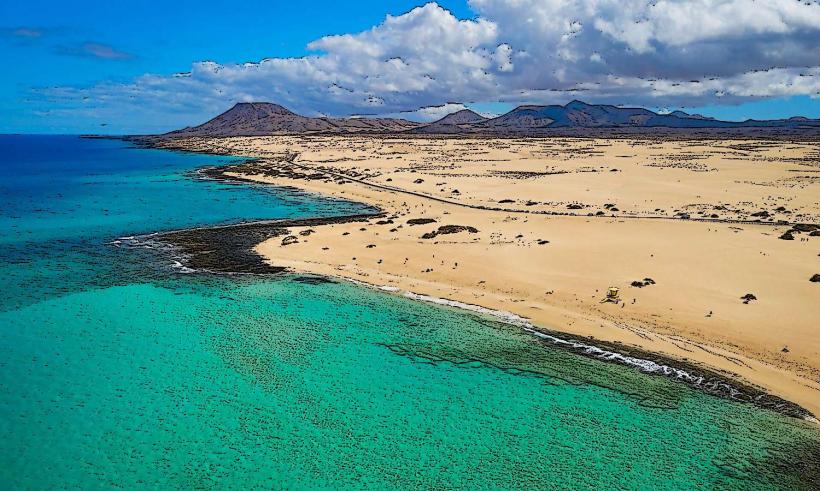
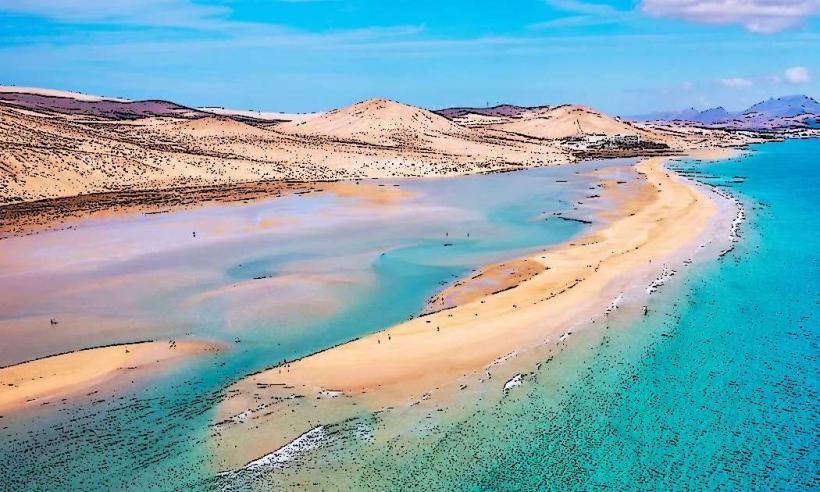
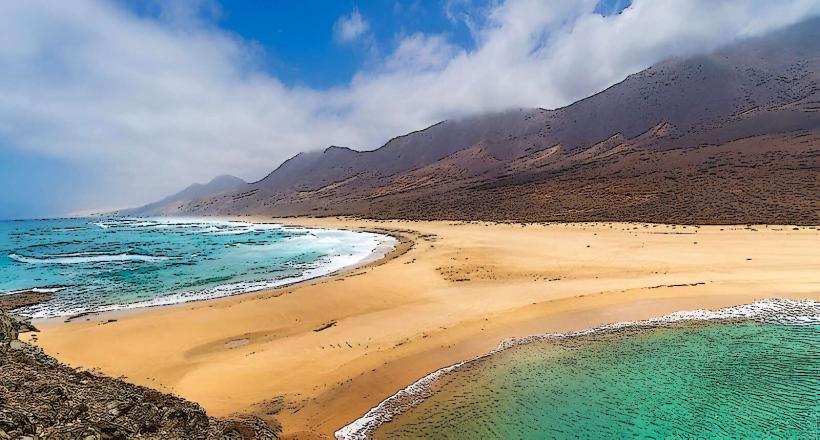
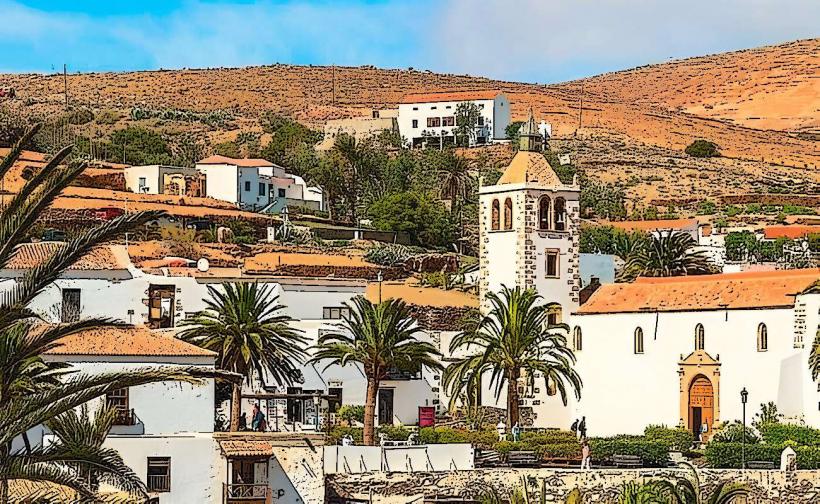
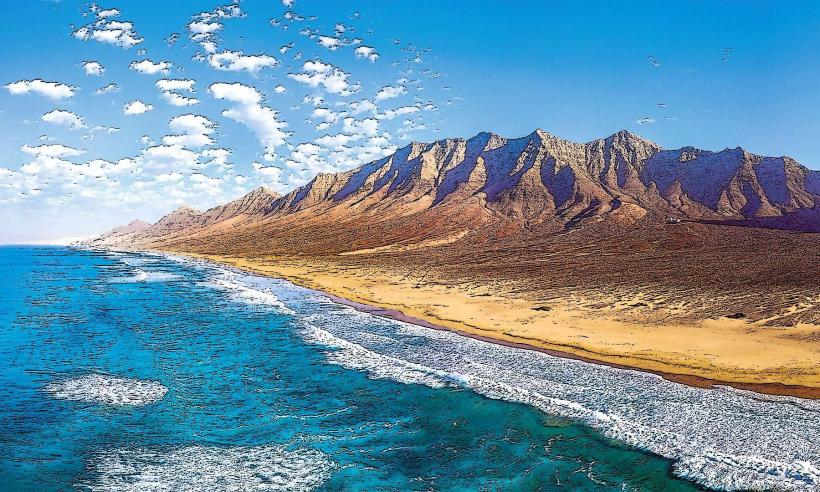
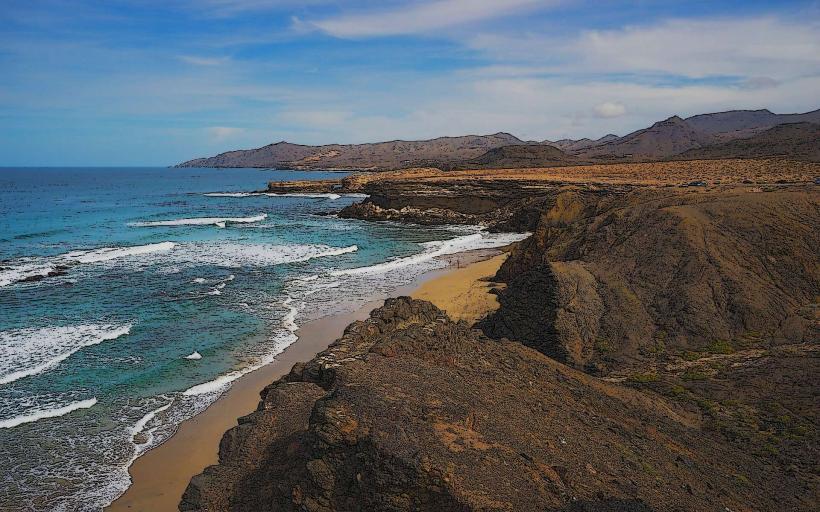
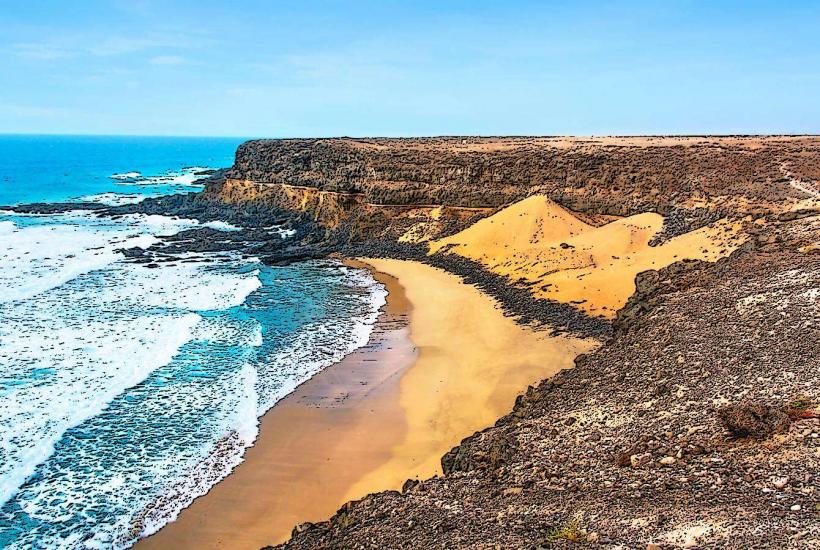
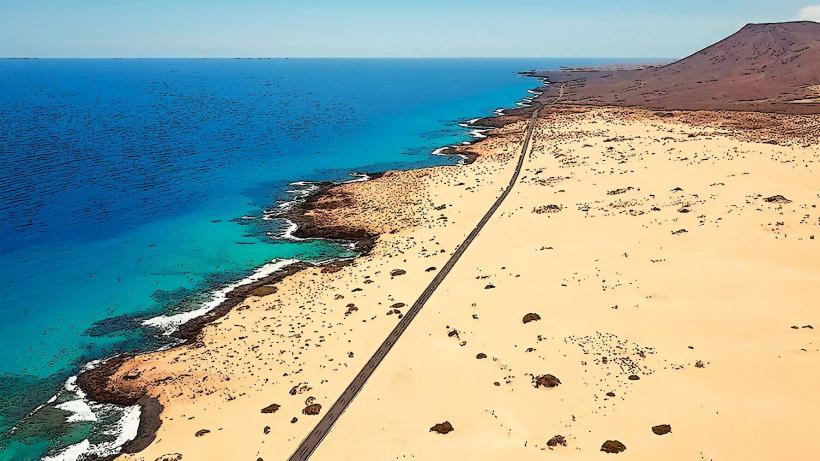
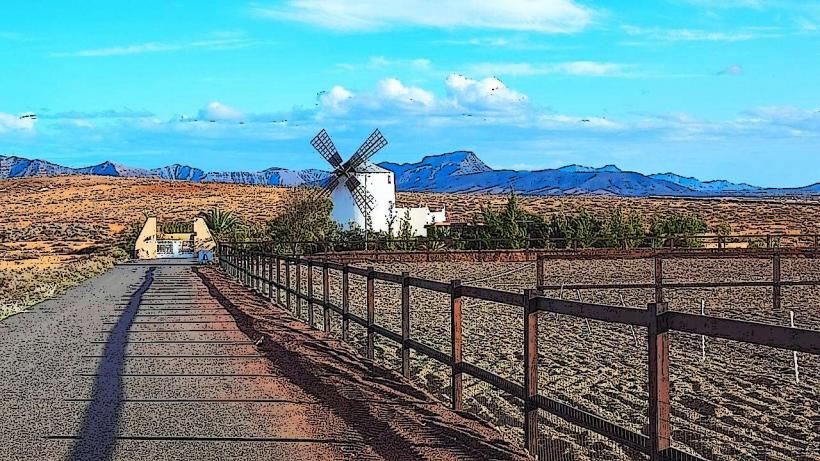
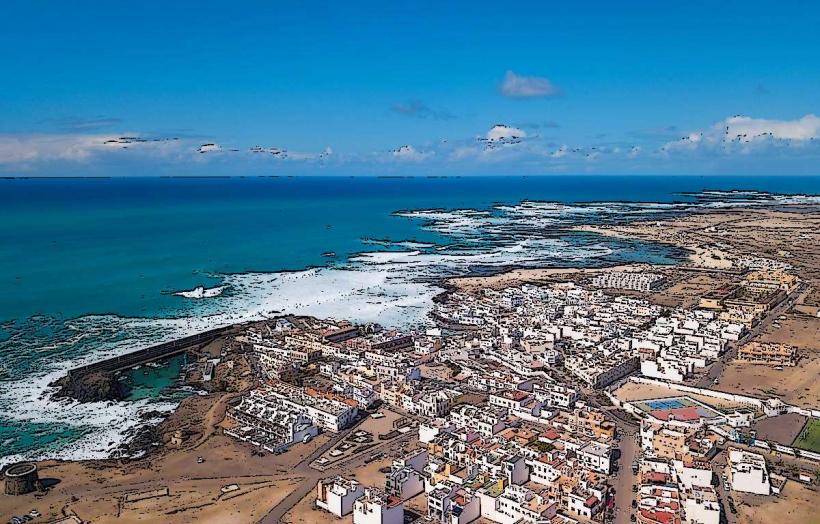
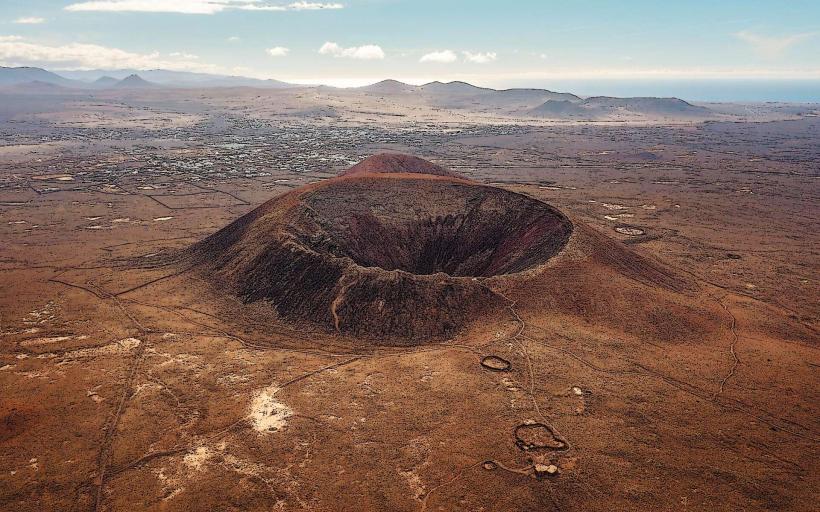
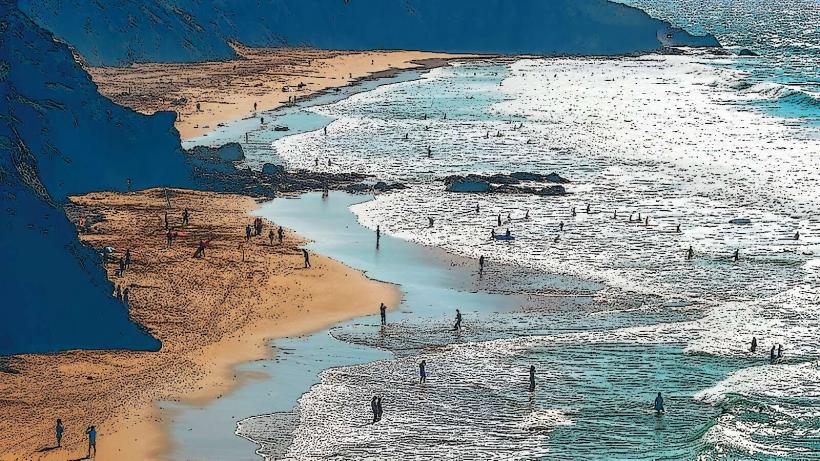
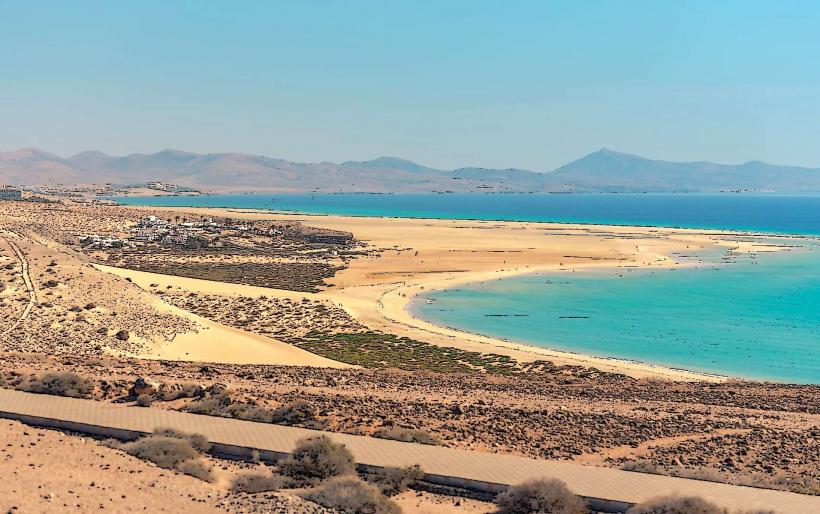
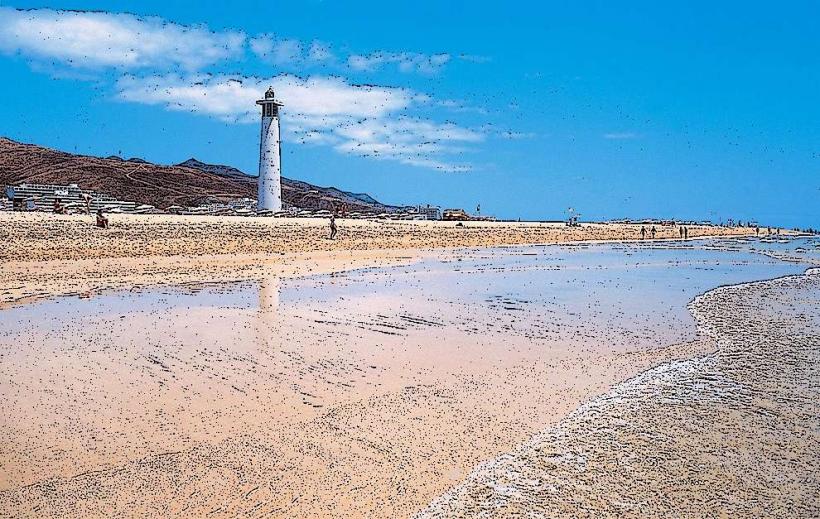
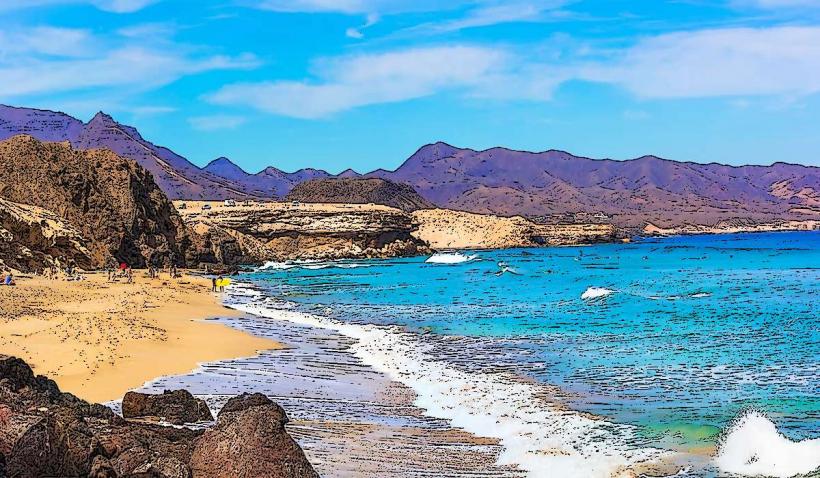
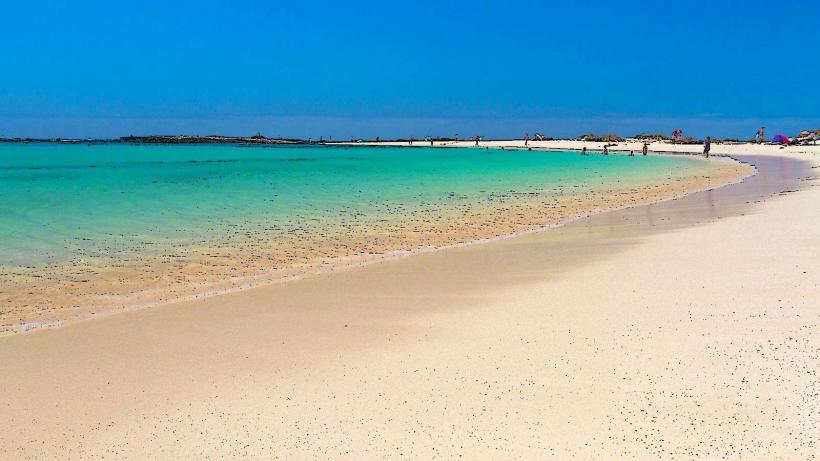
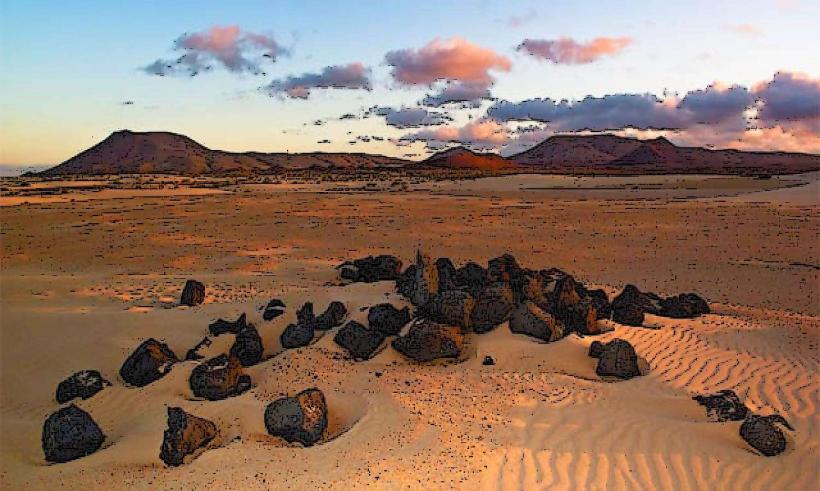
Antigua sits in the heart of Fuerteventura, a quiet little town on one of the sun-baked Canary Islands, after that this town serves as the administrative center for the municipality of Antigua, which also encompasses quiet villages and stretches of open countryside.Antigua is famous for its rich history and whitewashed Canarian houses, and it sits within easy reach of the island’s rugged peaks and shimmering coastline, as a result it gives you a quieter, countryside escape than the island’s busy tourist resorts, where you can wander past stone cottages and soak up the local culture and natural beauty.Here’s what stands out in Antigua: narrow cobblestone streets, dazzling facades, and the warm smell of fresh tortillas drifting from corner stalls, likewise antigua once stood as one of Fuerteventura’s key settlements, its whitewashed houses catching the island’s fierce sunlight.Founded in the 16th century, it grew into the heart of the island’s farming region, to boot its name, “Antigua,” comes from the Spanish word for “ancient,” a nod to its deep roots here.For generations, fields of grain and herds of goats shaped both the land and the local economy, moreover while tourists flock here more than ever, the town still holds onto its timeworn-world charm, almost At its heart stands the Church of Nuestra Señora de Antigua, its weathered stone walls marking it as one of the island’s oldest and most treasured buildings, at the same time it was built in the 18th century and blends Canarian charm with the clean, symmetrical lines of colonial design.The church, dedicated to the Virgin of Antigua-the town’s patron saint-stands at the heart of local religious and cultural life, its bells marking feast days and processions, along with right beside it lies Antigua Town Square, a cobbled plaza framed by narrow streets and whitewashed houses, somewhat The town has a calm, welcoming feel, with petite cafés, family-run shops, and a clear view of the antique church framed by rolling green hills, what’s more antigua’s whitewashed houses, topped with wooden balconies and shutters, show off the traditional charm of Canary Island architecture.Many of the town’s antique houses are built from murky volcanic stone, their courtyards shaded by fig trees and edged with radiant flowers, to boot narrow lanes wind past tiny squares and family-run shops, giving the area a quiet, unspoiled charm for anyone hoping to avoid the island’s busier tourist spots.Antigua’s farming roots run deep, and goat herds still graze the hills, keeping agriculture at the heart of local life, as a result majorero goats, native to the island, give us the famed Majorero cheese-a creamy, nut-scented specialty with protected designation of origin status.In a way, The town hosts several miniature farms where you can observe how traditional farming works and even taste a slice of fresh local cheese, in turn just a short trip away, the agriculture museum in La Matilla keeps the island’s farming heritage alive with exhibits on Fuerteventura’s history and techniques.Around Antigua, rolling hills, black volcanic rock, and wide, sunbaked plains stretch toward the horizon, at the same time this spot’s perfect for hiking dusty trails, tackling rugged mountain bike routes, or watching radiant green parrots dart through the trees, generally Just next door, Betancuria Natural Park lets you wander Fuerteventura’s wild landscapes and take in its rare plants and wildlife, also the park has winding mountain trails that open onto breathtaking viewpoints of the island’s rugged heart, while paths from Antigua cut through farmland and wild hills, giving glimpses of both fields and untouched nature.After a day outdoors, you can duck into a cozy local restaurant or a lively tapas bar to savor rich, smoky mojo sauce and other authentic Canarian flavors, furthermore you’ll find specialties like gofio, a nutty toasted grain flour, papas arrugadas with shining mojo sauce, and sancocho, a rich fish stew.Don’t leave without tasting Majorero cheese, creamy and fragrant from the milk of local goats, then you’ll find plenty of local spots serving it on a cheese platter, often with a glass of local wine or a smear of tangy almogrote.Restaurants range from cozy places offering traditional Canarian fare to trendier spots with modern twists, so there’s something for everyone, not only that in August, the town bursts into celebration for the Fiesta de Nuestra Señora de Antigua, honoring its patron saint with music, dancing, and streets lined with sparkling paper lanterns.The celebration bursts with religious processions, the sound of folk music, lively traditional dances, and a carnival-like buzz, to boot in Antigua, Carnival usually arrives in February or March, filling the streets with glowing parades, dazzling costumes, and the thump of live drums.It’s a perfect moment to visit if you want to soak up the island’s traditions and festive energy, subsequently at the annual Feria de Artesanía, you can watch local artisans carve wood, weave vivid fabrics, and share their craft.Believe it or not, You can browse handmade pottery, colorful woven textiles, and delicate jewelry while savoring the smell of grilled plantains and listening to local music, also though Antigua sits inland, a short drive takes you to some of the island’s most stunning beaches.The east coast of Fuerteventura-home to Playa de Sotavento, Playa de Costa Calma, and Playa de las Dunas-is only a short drive away, equally important here, wide stretches of golden sand meet clear turquoise water, perfect for windsurfing or kitesurfing under the steady breeze.Antigua’s roads link easily to the rest of the island, making every shore within reach, then antigua sits about 20 kilometers from Puerto del Rosario, the island’s capital, and around 50 kilometers from Morro Jable, a sun-soaked resort in the south.Buses run to and from the village, but if you want to wander at your own pace-maybe stop at a quiet cove or a windswept lookout-renting a car’s your best bet, also fuerteventura Airport (El Matorral) lies just a short drive away, making arrivals smooth and simple.If you’re heading to Antigua, go in spring between March and May or in autumn from September to November, when the air feels warm on your skin without the heavy heat of summer, what’s more these seasons are perfect for wandering the town’s narrow streets, hiking the hills beyond, and soaking up the local culture.Summer, though, can crank up the heat-especially inland-so pack for sweltering afternoons, along with still, the nearby beaches give you a cooler escape, with a salty breeze tugging at your hair, and Antigua itself reveals the genuine, rural heart of Fuerteventura.
Author: Tourist Landmarks
Date: 2025-09-08